

Before the Taj Mahal
Long before the Taj Mahal, a thirteen-year-old ruler climbed a rock in the middle of Osh, built himself a pavilion and wrote down why his spot was better than his uncle’s.
Watch the film · 44 sA retreat on the rock
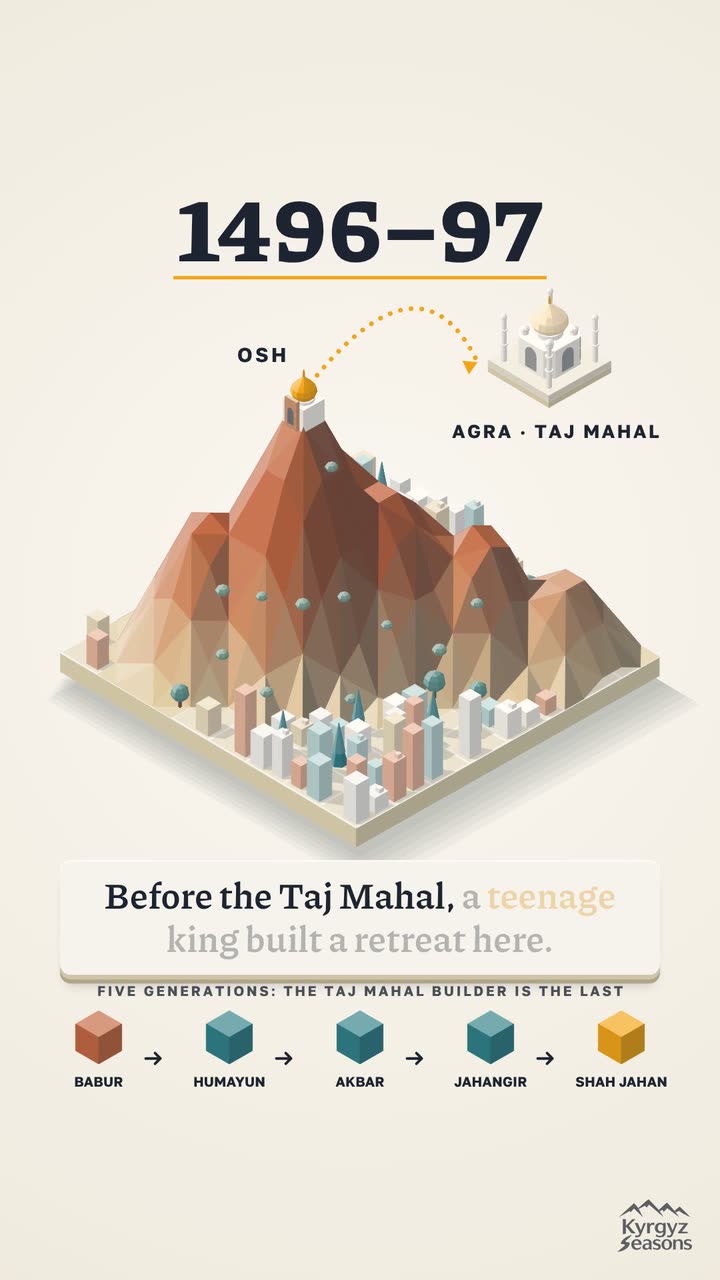
“Before the Taj Mahal, a teenage king built a retreat here.”From the film
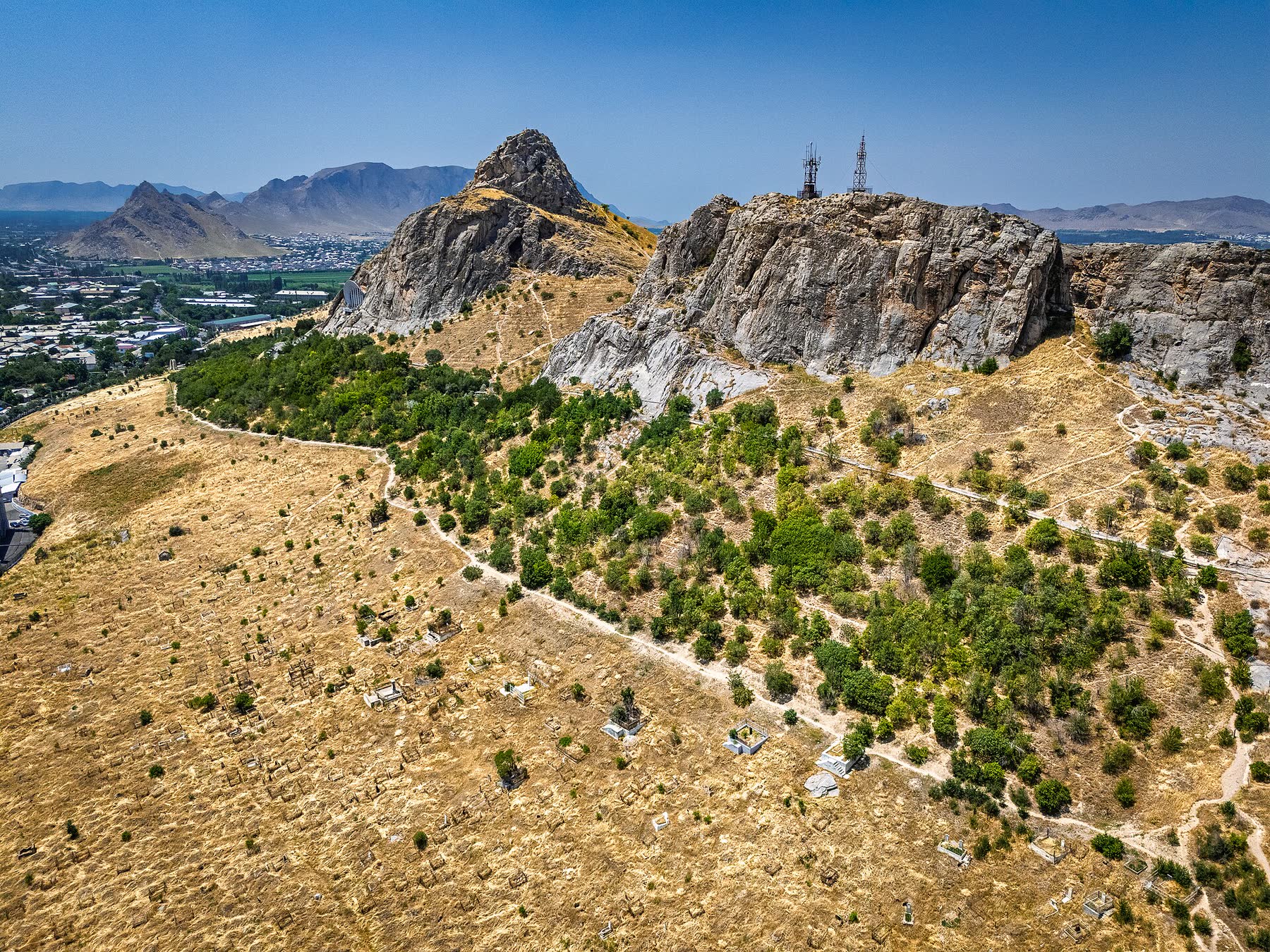
In the middle of Osh, the second city of Kyrgyzstan, a bare rock rises straight out of the streets. It has five peaks, and the town climbs its foot on every side.
In the Islamic year 902, which ran from September 1496 to August 1497, a young ruler built himself a pavilion with a porch on this mountain. His name was Zahir ud-Din Muhammad Babur. He had ruled the Fergana Valley since June 1494, when he was eleven, so when he built on the rock he was thirteen or fourteen.
We know about the pavilion because Babur wrote it down himself. All his life he kept the notes that became his memoirs, the Baburnama: battles, towns, gardens, fruit, friends and his own mistakes. The pages about his home valley come first, and Osh is in them.
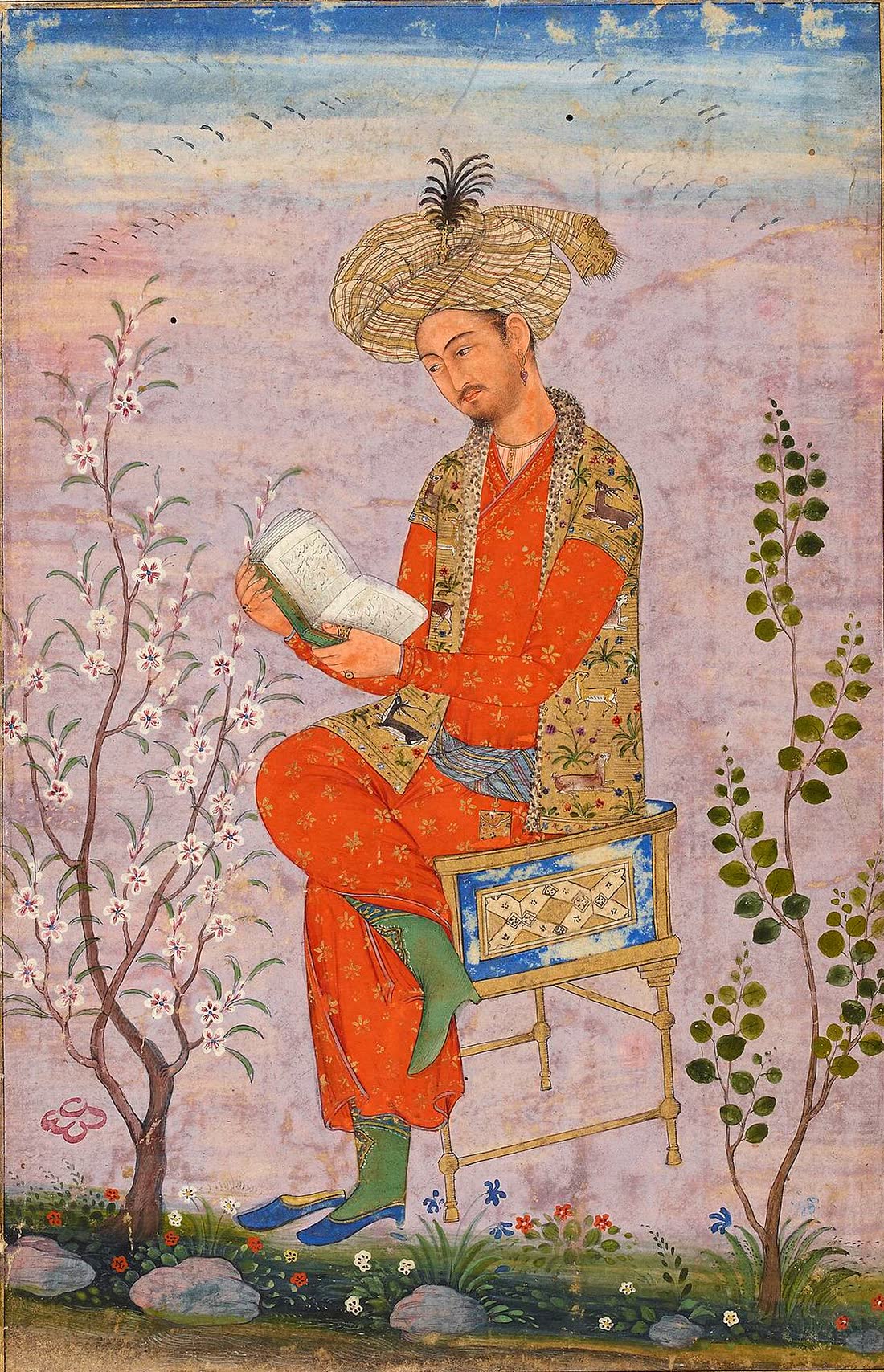
The uncle on the summit
“His name was Babur. His uncle had a pavilion on the summit.”From the film
Babur did not call the rock Sulaiman-Too. In his day it was Bara-Koh, a Persian name, and it stood, he wrote, south-east of the fort of Osh.
He loved the town. “For climate and for pleasantness,” he wrote, “no township in all Farghana equals Osh.” He noted a mosque on the flank of the mountain, called the Jauza, the Twin Mosque, and a beautiful stone found in it, with wavy red and white patterns.
Someone had reached the top before him. On the summit stood a retreat built by Sultan Mahmud Khan, Babur’s uncle. The highest place on the mountain was taken.
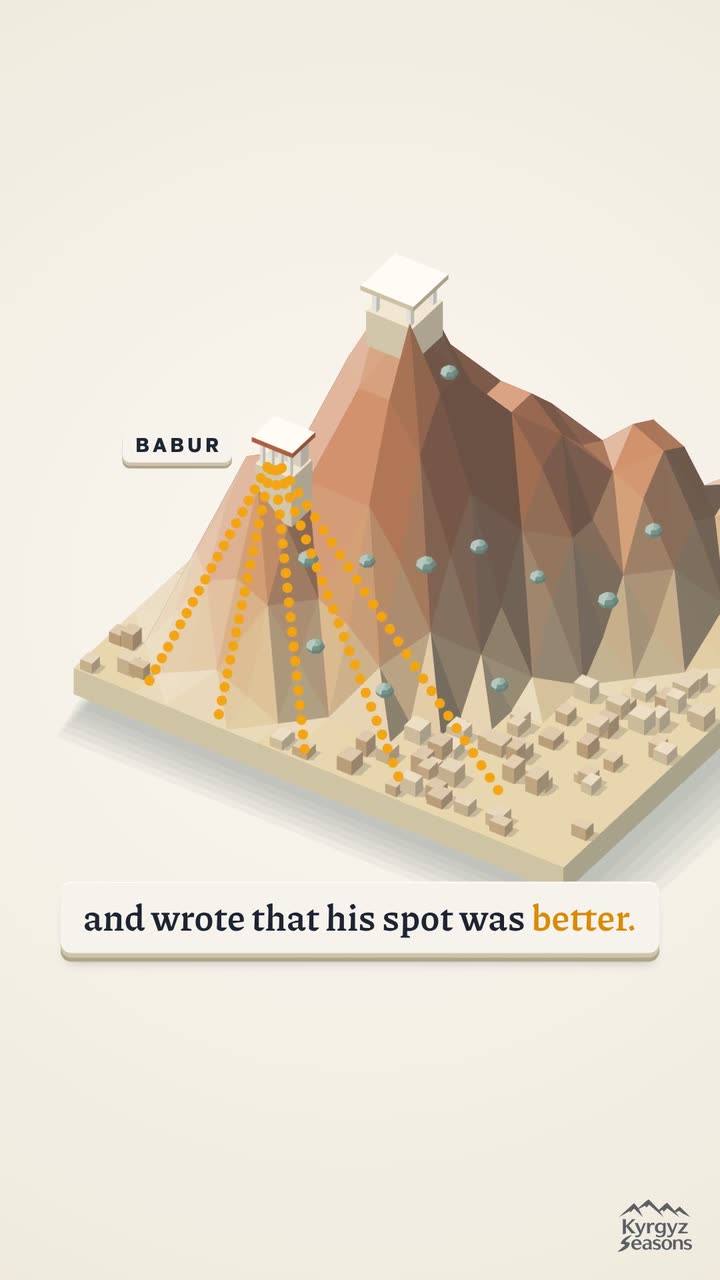
Lower down, and better
“The boy built his own lower down, and wrote that his spot was better.”From the film
Babur did not try to build higher than his uncle. He chose a shoulder of the mountain below the summit, and there, in the year 902, he built his own pavilion with a porch.
Then he wrote the sentence that makes this story:
“Though his lies the higher, mine is the better placed, the whole of the town and the suburbs being at its foot.”Babur, Baburnama, trans. A. S. Beveridge
He does not argue about height, only about the view. From his shoulder of rock the whole town lay below him.
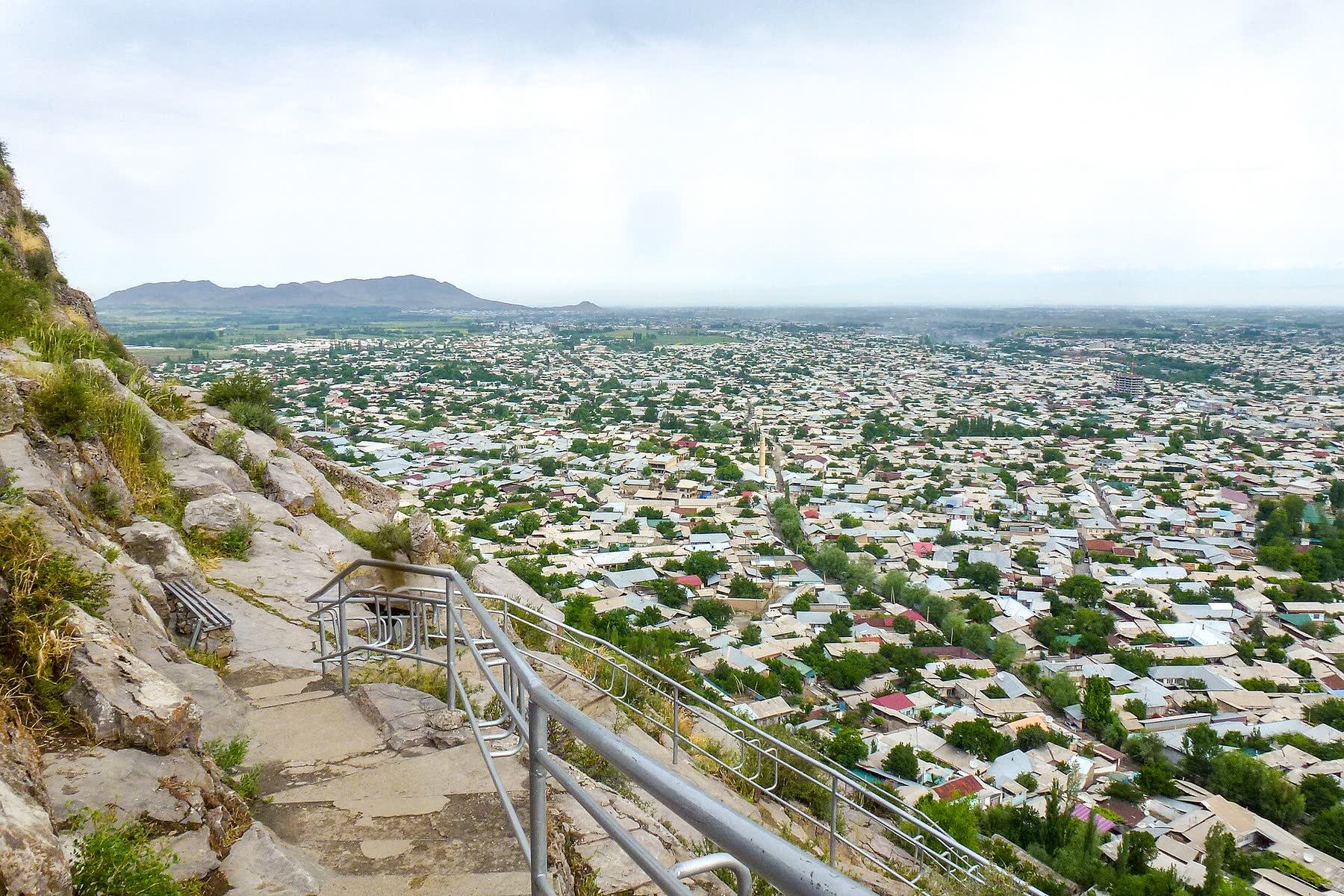
Neither pavilion survives, and the Baburnama says nothing more about what became of them. What survives is the sentence: a boy-king telling us, five centuries later, which spot was better.
Thirty years later
“Thirty years later, he founded the Mughal Empire in India.”From the film
The teenage ruler did not keep his valley. Babur lost Fergana, took and lost Samarkand, and in 1504 seized Kabul. From there he turned south.
In April 1526 he defeated Sultan Ibrahim Lodi at Panipat, north of Delhi, and became the first emperor of the dynasty we call the Mughals. He was descended from Timur through his father and from Genghis Khan through his mother. He did not rule India for long: he died in Agra in December 1530.
The great-great-grandson
“His great-great-grandson built the Taj Mahal.”From the film
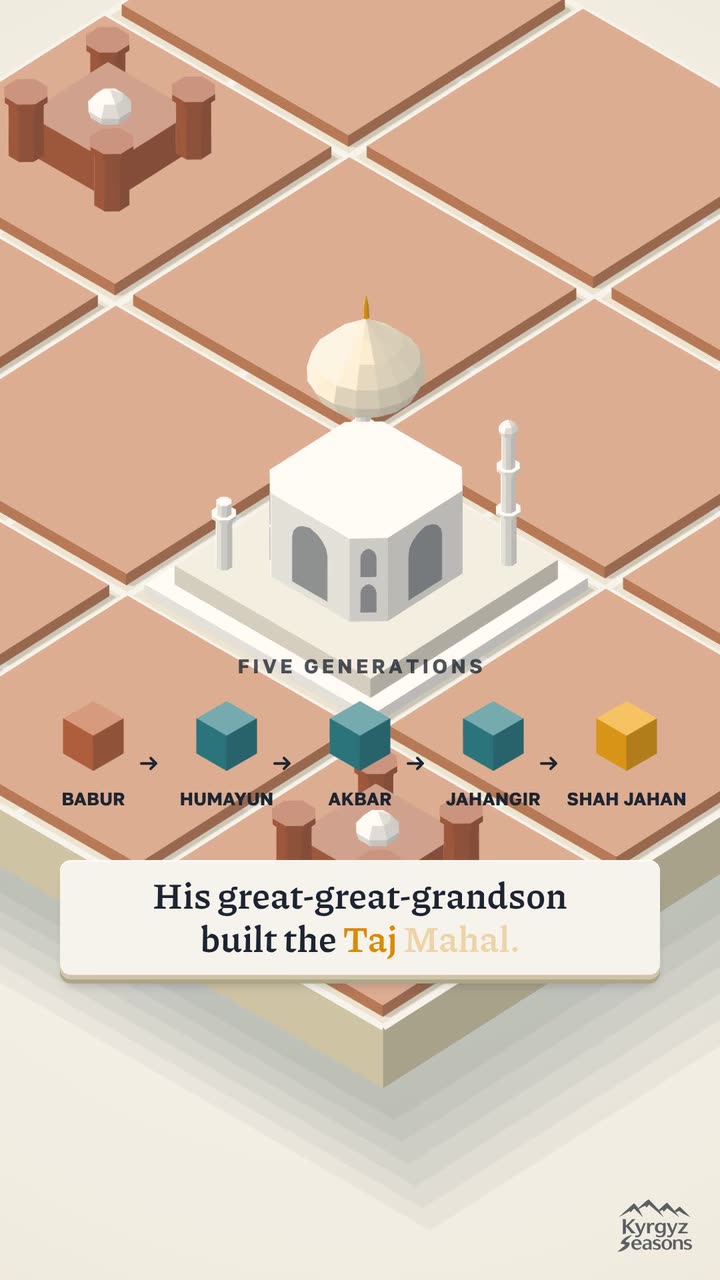
The throne passed from father to son, five times.
- Babur1526–1530founder
- Humayun1530–1556son
- Akbar1556–1605grandson
- Jahangir1605–1627great-grandson
- Shah Jahan1628–1658great-great-grandson
Reigns in India. Humayun lost the throne in 1540 and won it back in 1555.
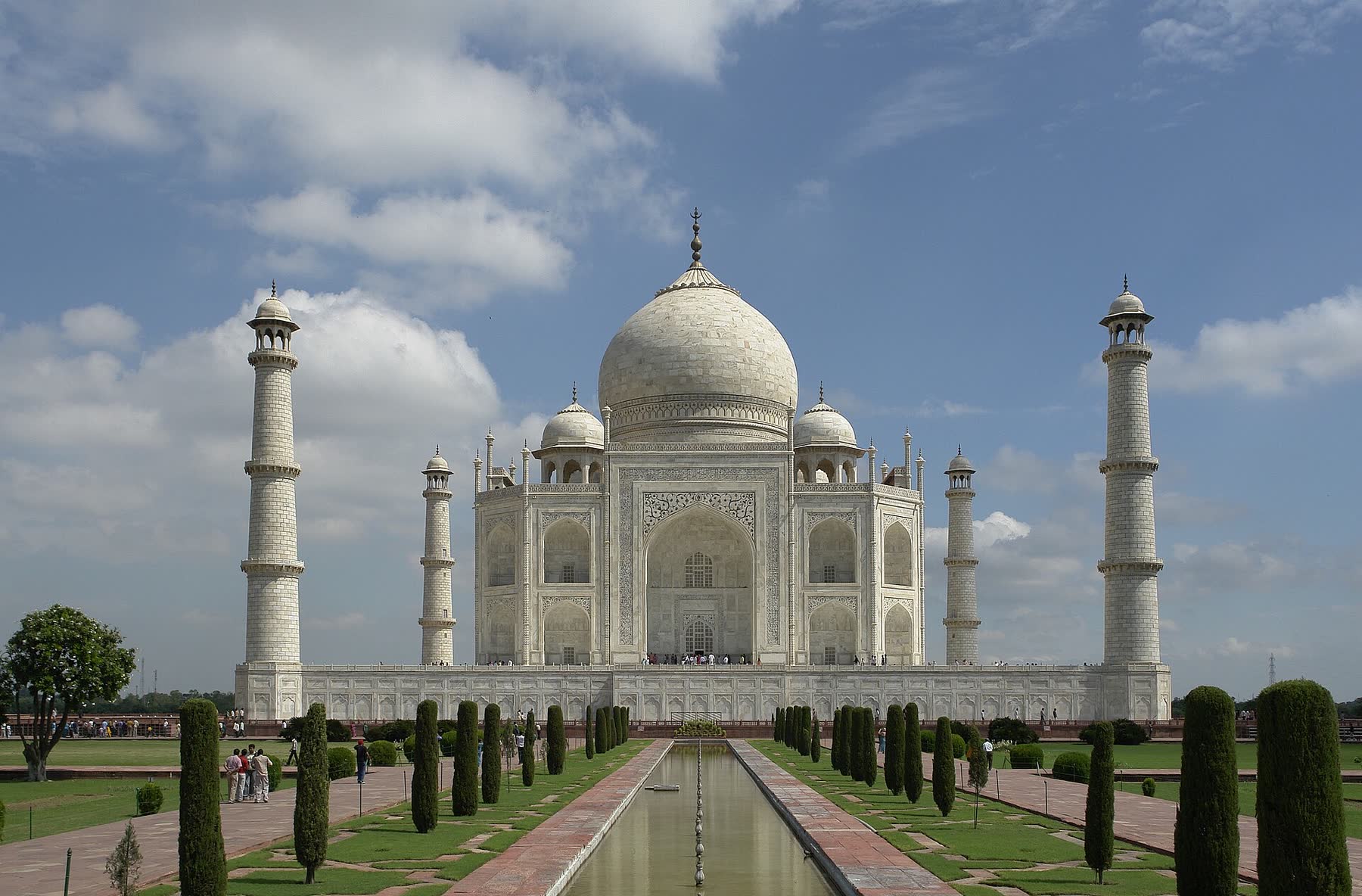
Shah Jahan was the fifth Mughal emperor. In 1631 he commissioned a tomb in Agra for his wife, Mumtaz Mahal. The mausoleum was finished in 1648 and the whole complex by about 1653.
So the Taj Mahal was begun some 135 years after a boy built his pavilion on the rock in Osh.
And the summit?
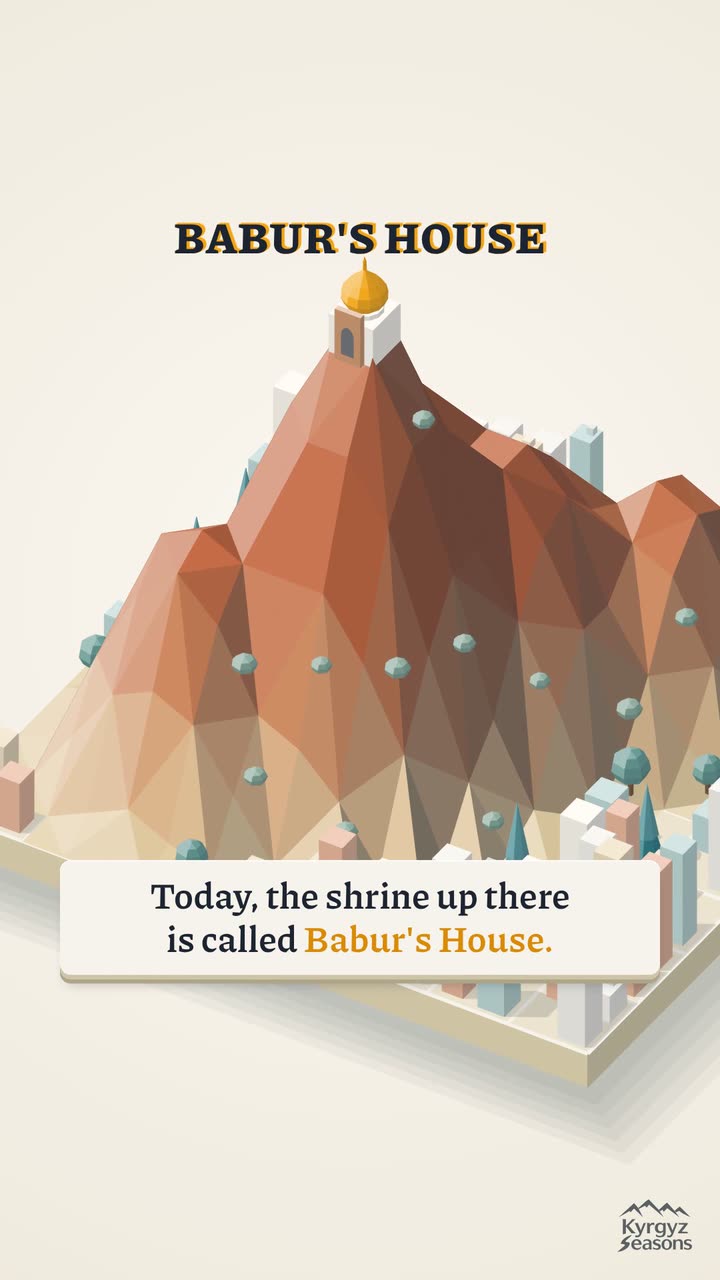
“And the summit? Today, the shrine up there is called Babur’s House.”From the film
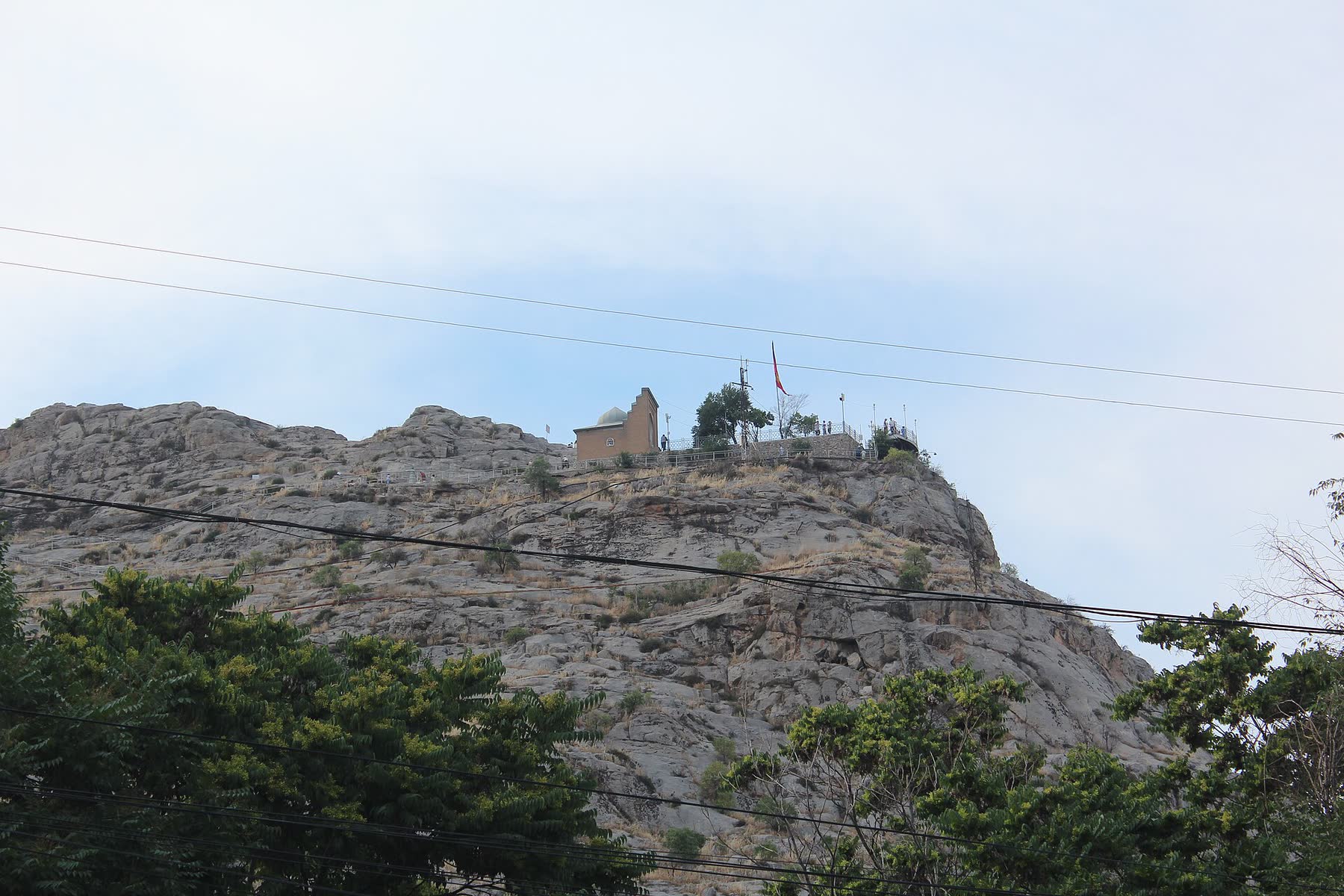
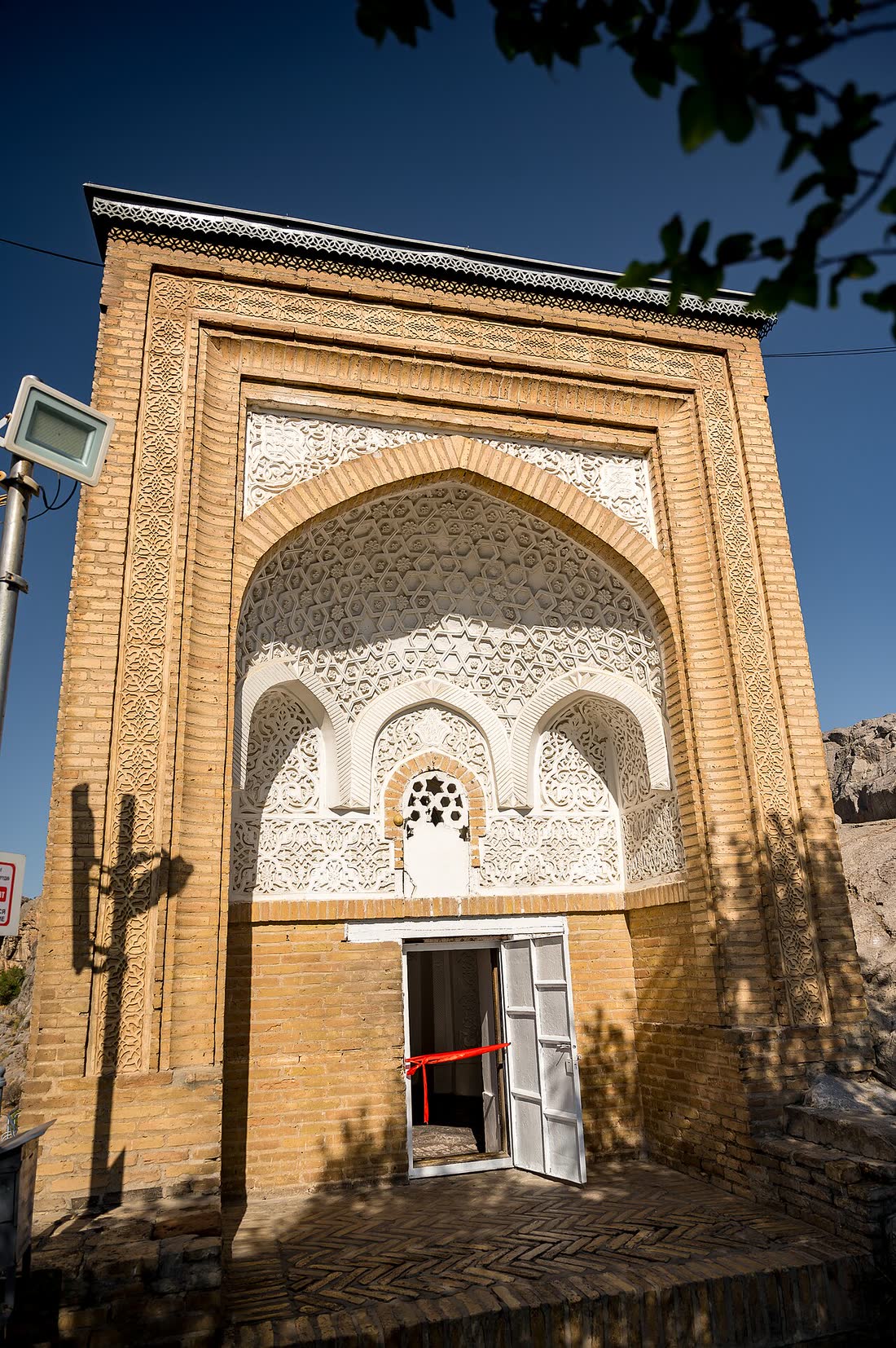
Climb Sulaiman-Too today and on the top of the first peak you find a small domed building with a large portal of burnt brick. Everyone calls it Babur’s House.
The World Heritage evaluation calls it the Mosque of Takht-i-Sulaiman: built in the 16th century, destroyed in 1963, and rebuilt in 1988 on its old foundations from the surviving records. Inside lies an ancient ritual stone with cup-marks and petroglyphs. Guidebooks give other years for both events.
Now the twist. By Babur’s own account, the summit was his uncle’s; his pavilion stood lower down. Yet the name on the top today is the boy’s.
A sacred mountain
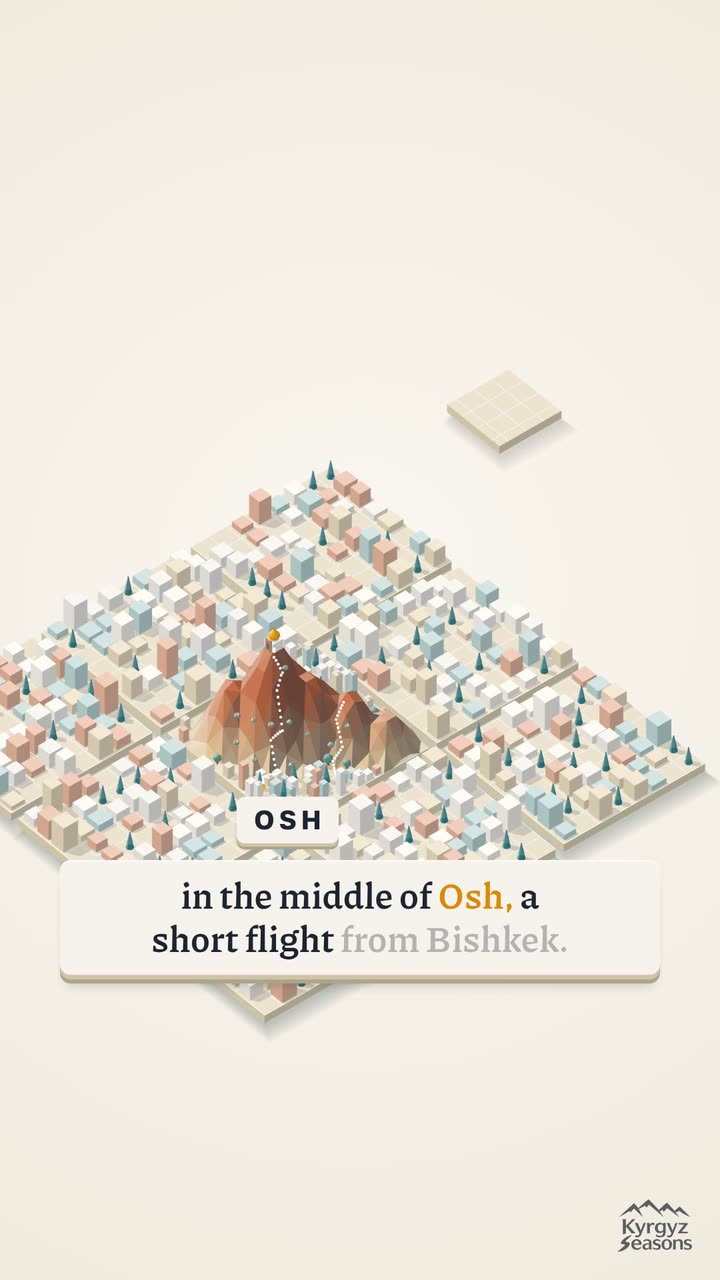
“It’s Sulaiman-Too, a sacred mountain in the middle of Osh, a short flight from Bishkek.”From the film
Babur’s pavilions are a short chapter in a much longer story. In 2009 UNESCO inscribed Sulaiman-Too Sacred Mountain on the World Heritage List.
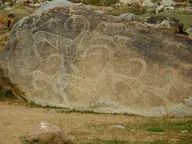
Its peaks and slopes hold ancient cult places, caves with rock carvings and a web of old paths. On the steep slope of the third peak lay a Bronze Age settlement of the 15th to 7th centuries BC.
Some rocks are polished smooth by centuries of pilgrims sliding along them or touching them. People believe these places help against barrenness, headaches and back pain, and bring a long life. The name came last: the legend that the prophet Sulaiman, the biblical Solomon, stayed on the mountain was first recorded in the early 18th century.
Climb to his view
“Climb up to the view a teenage king chose, long before the Taj Mahal.”From the film
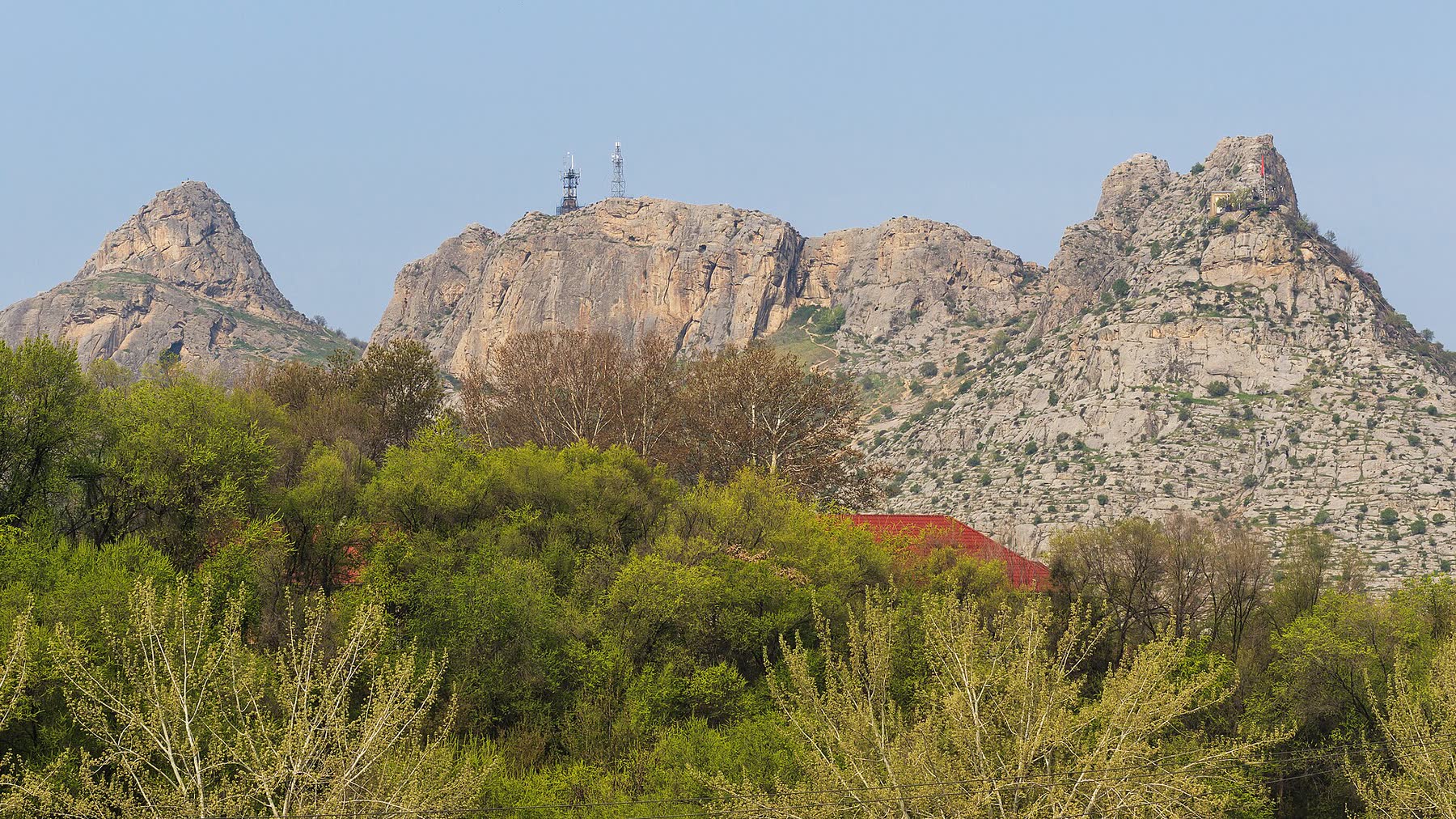
The mountain stands in the centre of Osh, so you can walk to it from town. Stone steps and paths lead up among the rocks to viewpoints over the city and to Babur’s House on the first peak. It is a working shrine: people come here to pray, so visit it quietly.
The view he chose
— and the summit that took his name anyway.
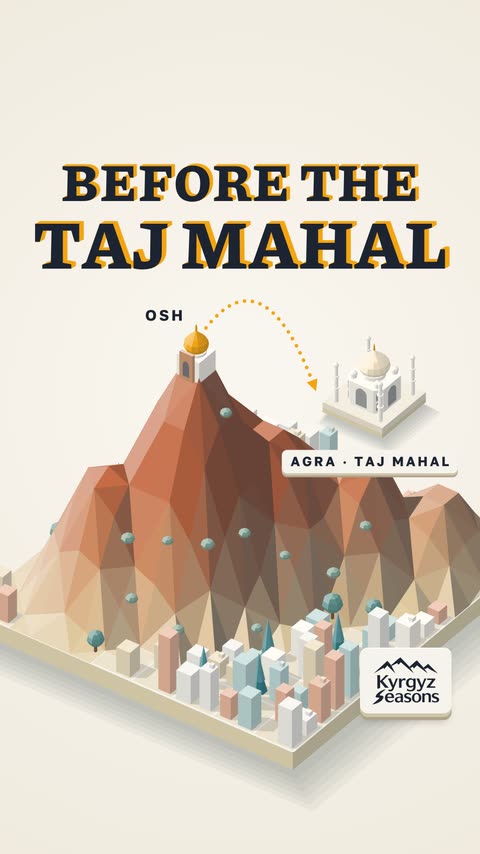 Watch the 44-second filmThe same story as an isometric model of the mountain that builds itself, tile by tile.
Want to see it for yourself?
Routes, places and the best months to go — everything for planning a trip to Kyrgyzstan.
Sources
- Babur, Baburnama, translated by A. S. Beveridge, London, 1921; text edited by D. C. Waugh, Silk Road Seattle. depts.washington.edu/silkroad/texts/babur
- W. M. Thackston (trans.), The Baburnama: Memoirs of Babur, Prince and Emperor, 1996.
- ICOMOS, Sulaiman-Too Sacred Mountain (Kyrgyzstan), No. 1230rev, advisory body evaluation, 2009. UNESCO archive (PDF)
- Wikipedia: Babur, Shah Jahan, Taj Mahal.
- Caravanistan, Sulaiman-Too and Osh transport.
- Economist.kg, “World Bank: Sulaiman-Too and Uzgen”, 30 June 2026.
- Kyrgyz Seasons, Sulaiman-Too Sacred Mountain: visiting.
Pictures
- Isometric scenes and film frames: the Kyrgyz Seasons film “Before the Taj Mahal”.
- Babur reading, idealized portrait, India, about 1605–1615, British Museum 1921,1011,0.3: public domain.
- Taj Mahal: Yann, CC BY-SA 4.0. Babur’s House from the city: Eldin begi, CC BY-SA 4.0. Babur’s House portal: Arina Pan, CC BY-SA 4.0. Osh from the mountain: Kalpak Travel, CC BY 2.0. The ridge from a drone: Nefesh03, CC BY-SA 4.0. Sulaiman-Too above Osh: A. Savin, Free Art License. All via Wikimedia Commons.