

The Village That Met Them First
His books were translated into more than 150 languages. The village where he was born says his heroes lived there first. We checked which parts are on record and which are a story the village tells.
Watch the film · 45 sTranslated into more than 150 languages
“Translated into over 150 languages — and his story starts in this village.”From the film
Count the languages Chingiz Aitmatov has been translated into and the first surprise comes at once: nobody agrees on the number.
In 2008 Radio Free Europe/Radio Liberty wrote that his books had been translated into “more than 150 languages”. A few weeks later, in his obituary, the same service said “more than 170”. UNESCO's statement on his death said “at least 160”. A 2019 profile in Aramco World went with 170.
How many languages?
It depends who counts. Every count is above 150.
So 150+ is the number that holds up: the lowest figure any of these sources gives, and so safe whichever count you trust. UNESCO is also quoted as calling him “among the world's most read contemporary authors”.
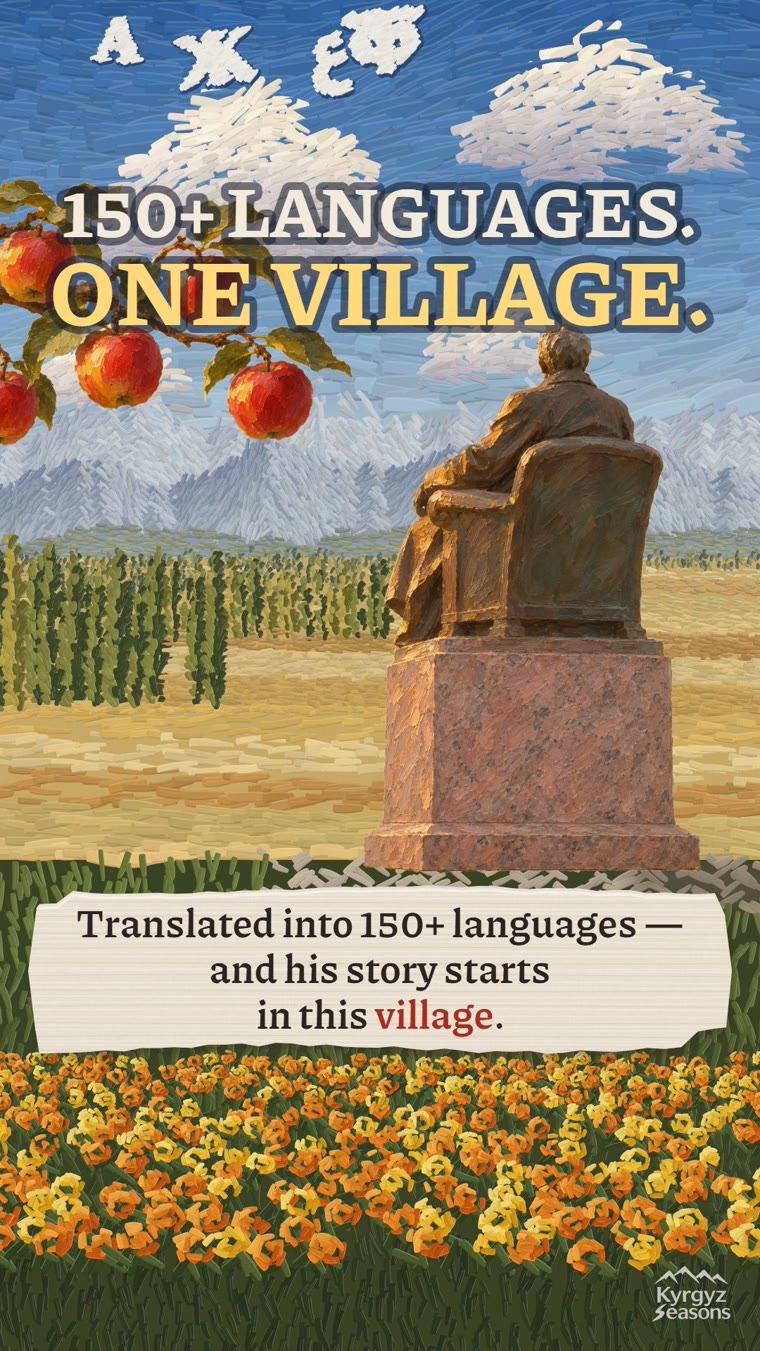
Born here, in Sheker
“Chingiz Aitmatov. Born here, in Sheker.”From the film
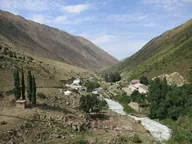
Sheker is not a famous place. It is a village of about 4,500 people in the Talas Region, in north-western Kyrgyzstan, close to the border with Kazakhstan.
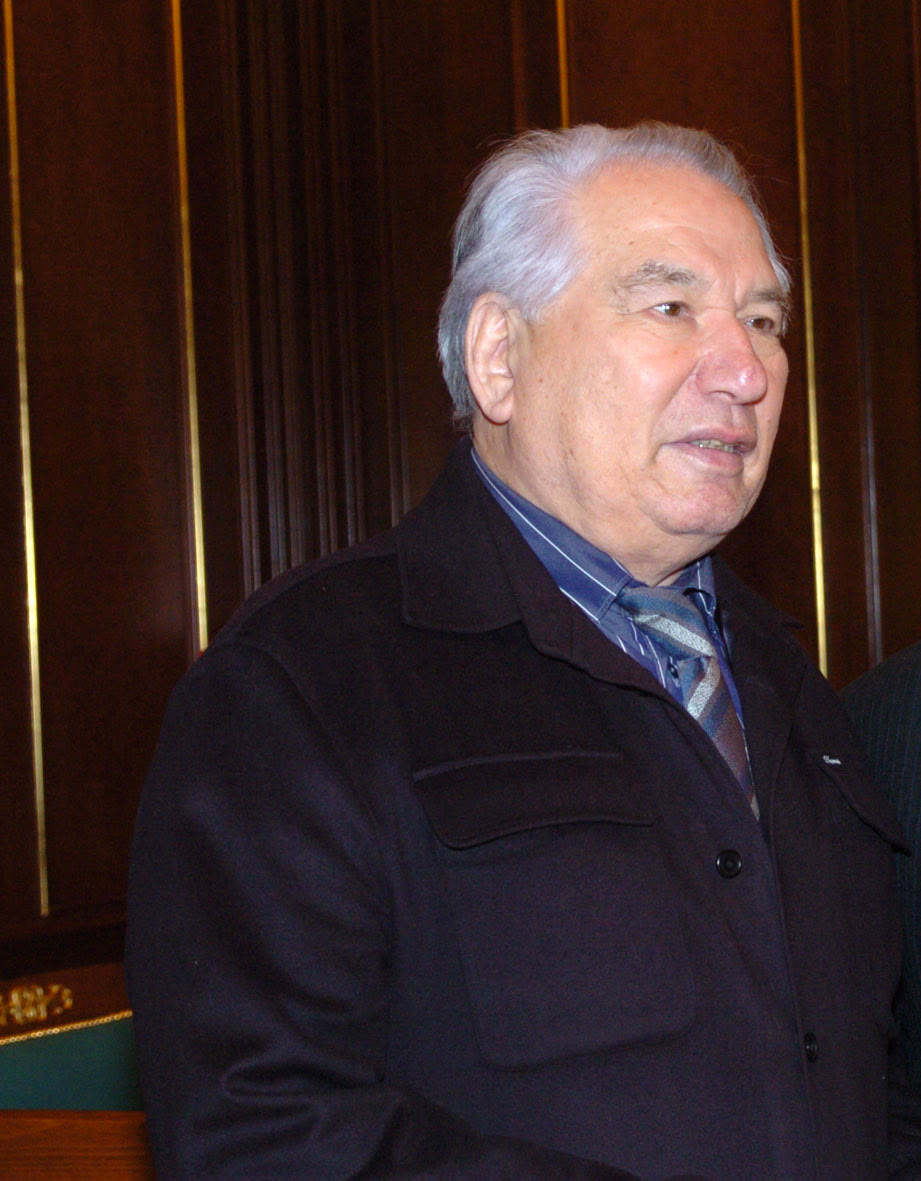
Aitmatov was born here on 12 December 1928. He went to school in the village and began working young. His grandmother introduced him to nomadic life and to the Manas epic. He died on 10 June 2008 in Nuremberg, Germany, at the age of 79.
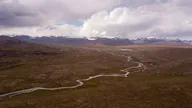
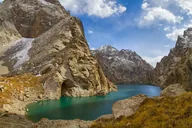
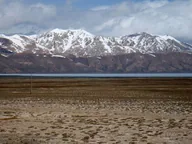
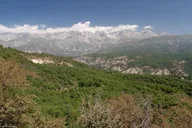
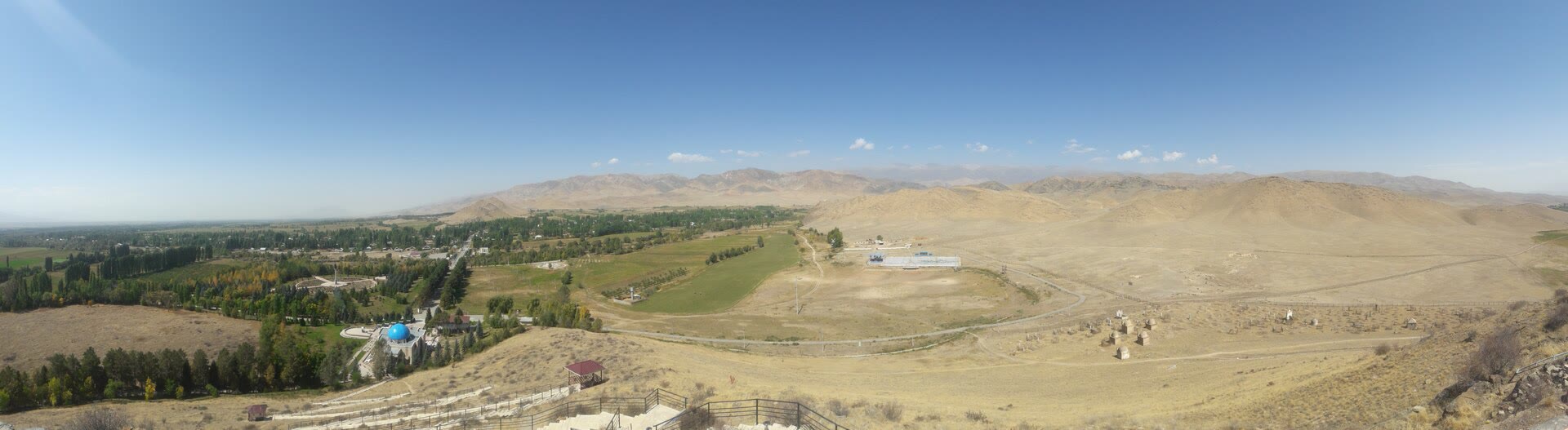
The film puts the village in a valley of golden fields, rows of poplars and grey-blue ridges, and the valley is real: it is the Talas valley, an open plain with mountains on both sides.
A French poet
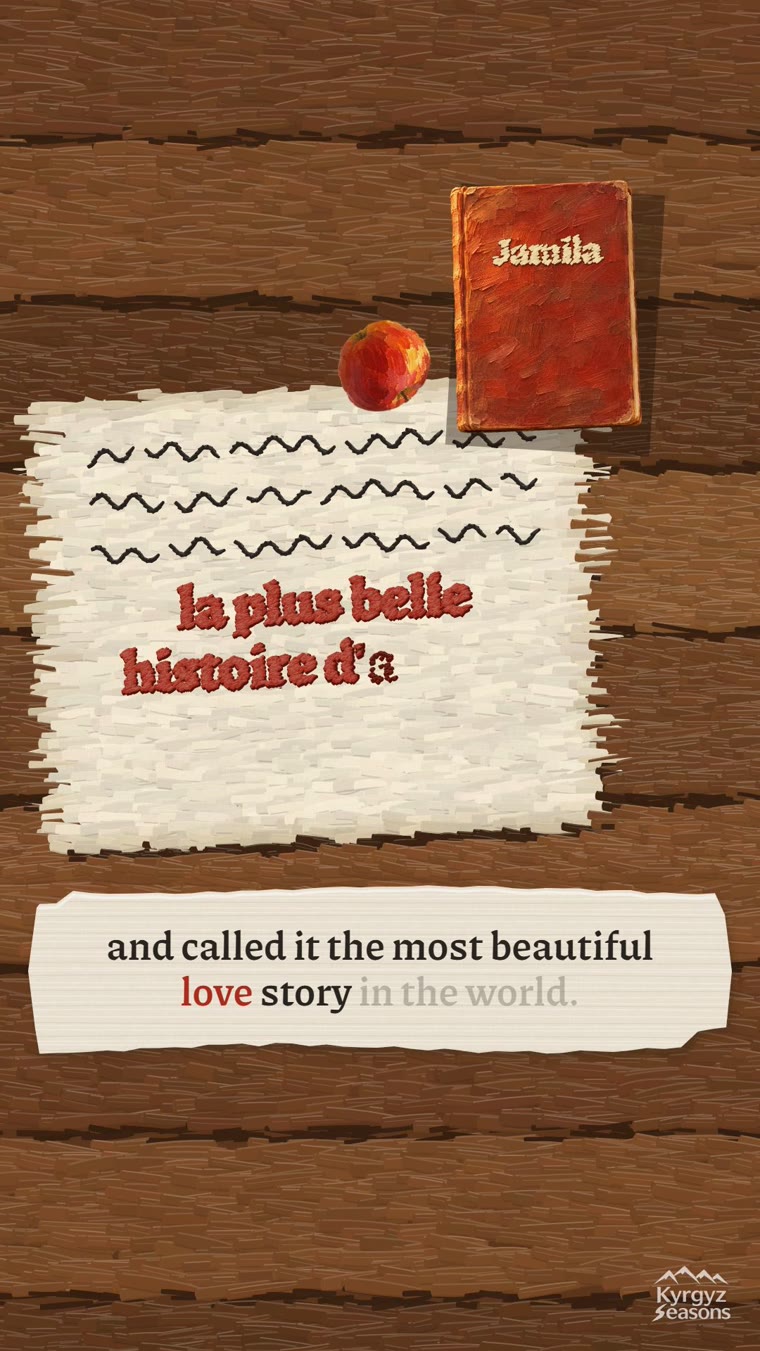
“Then a French poet translated his short book and called it the most beautiful love story in the world.”From the film
Jamila is short: a village love story told through the eyes of a teenage boy.
It first appeared in 1958, and not in French. The Russian text came out in the Moscow magazine Novy Mir, issue 8, translated by Anna Dmitrieva, and the Kyrgyz text in the collection Obon. Its first readers were Soviet readers.
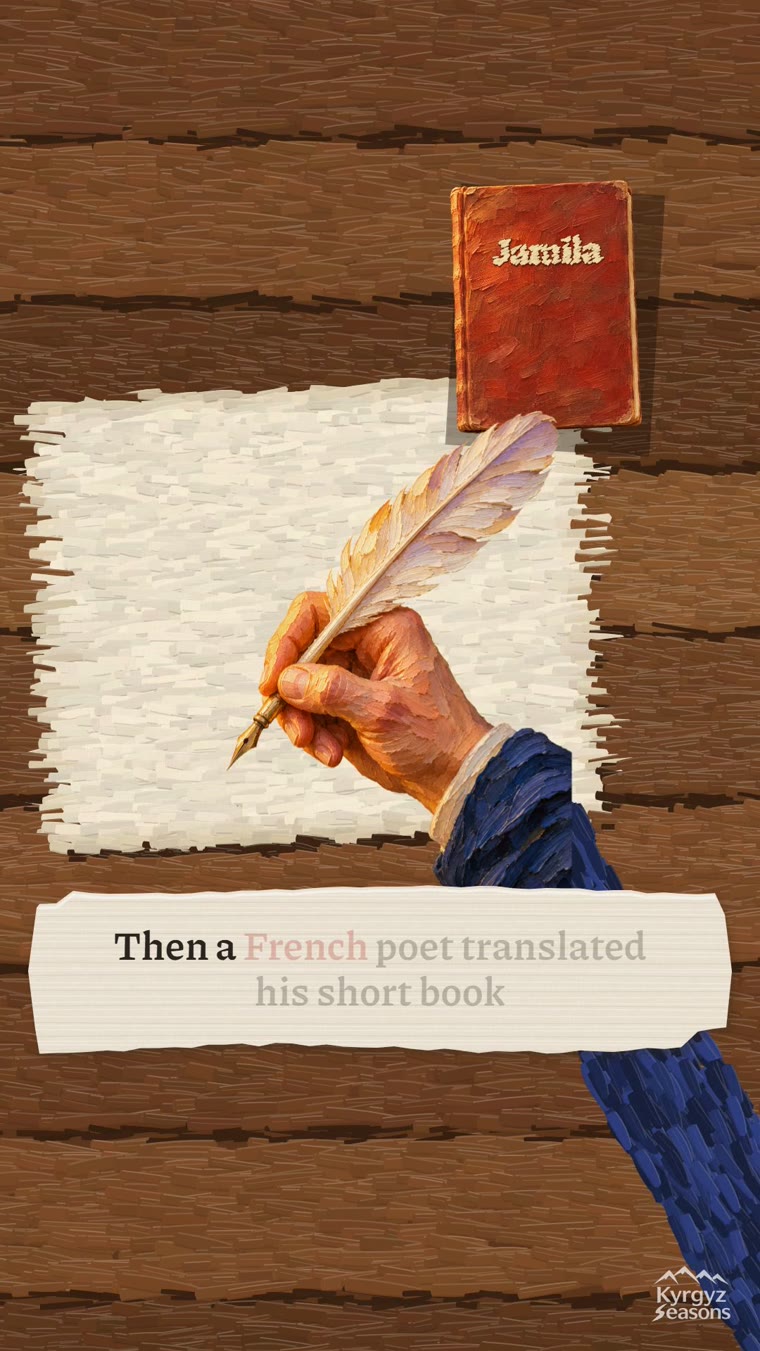
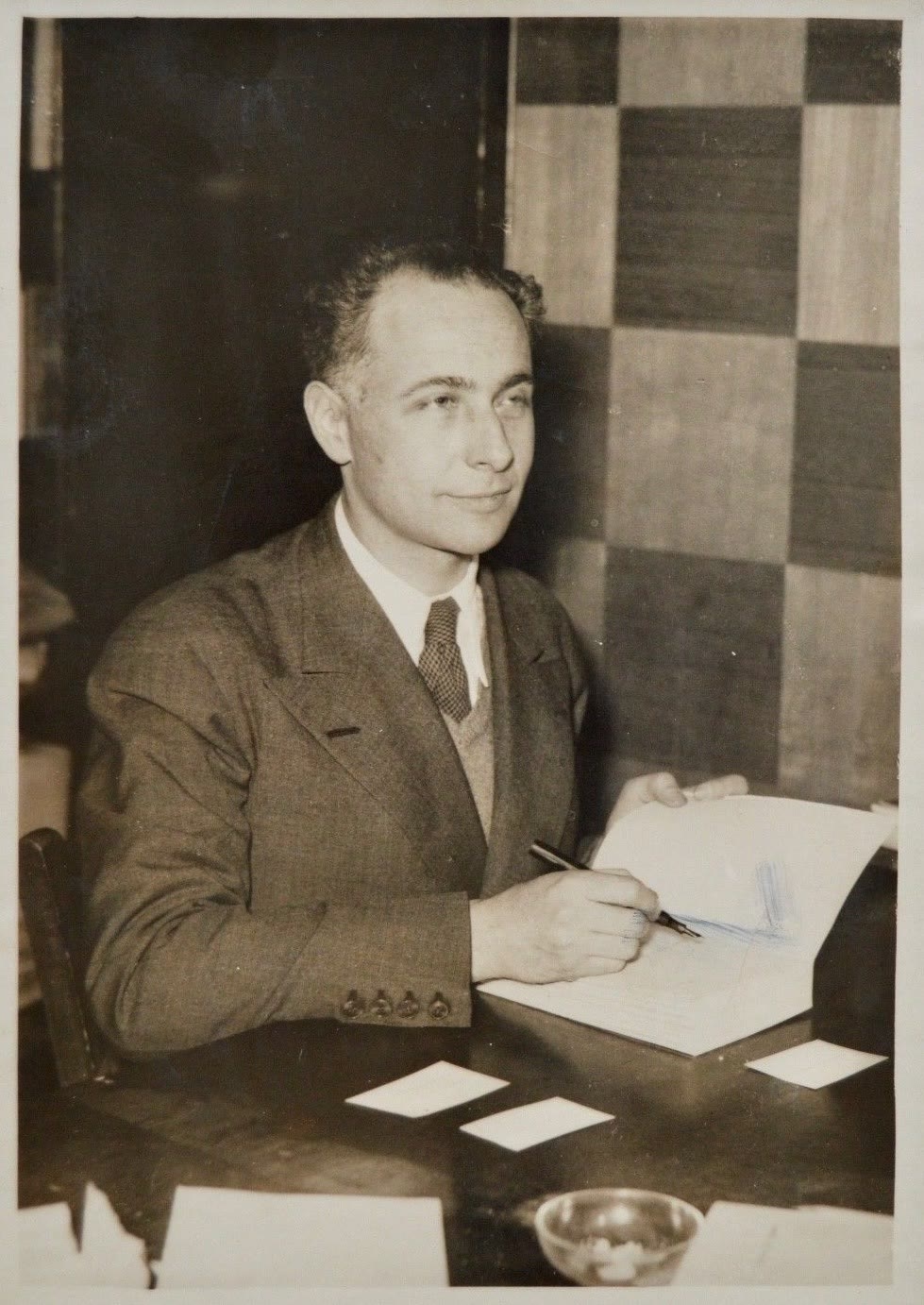
Then came Louis Aragon. The French poet translated the novella, and in his preface he called it the “world's most beautiful love story”. Aramco World tells it this way: Aragon was so moved by the book that he took it out of the Soviet Union to translate it, and that translation gave Aitmatov his first international audience.
And the world started reading
“And the world started reading.”From the film
After Jamila came longer books, and their places moved a long way from Sheker.
The White Ship, printed in Novy Mir in 1970, takes place by Lake Issyk-Kul. The Day Lasts More Than a Hundred Years, printed there in 1980, follows one day at a remote railway junction on the Sary-Ozek steppe. A reader in Paris or Tokyo did not need to know where Sheker was. The stories travelled on their own.
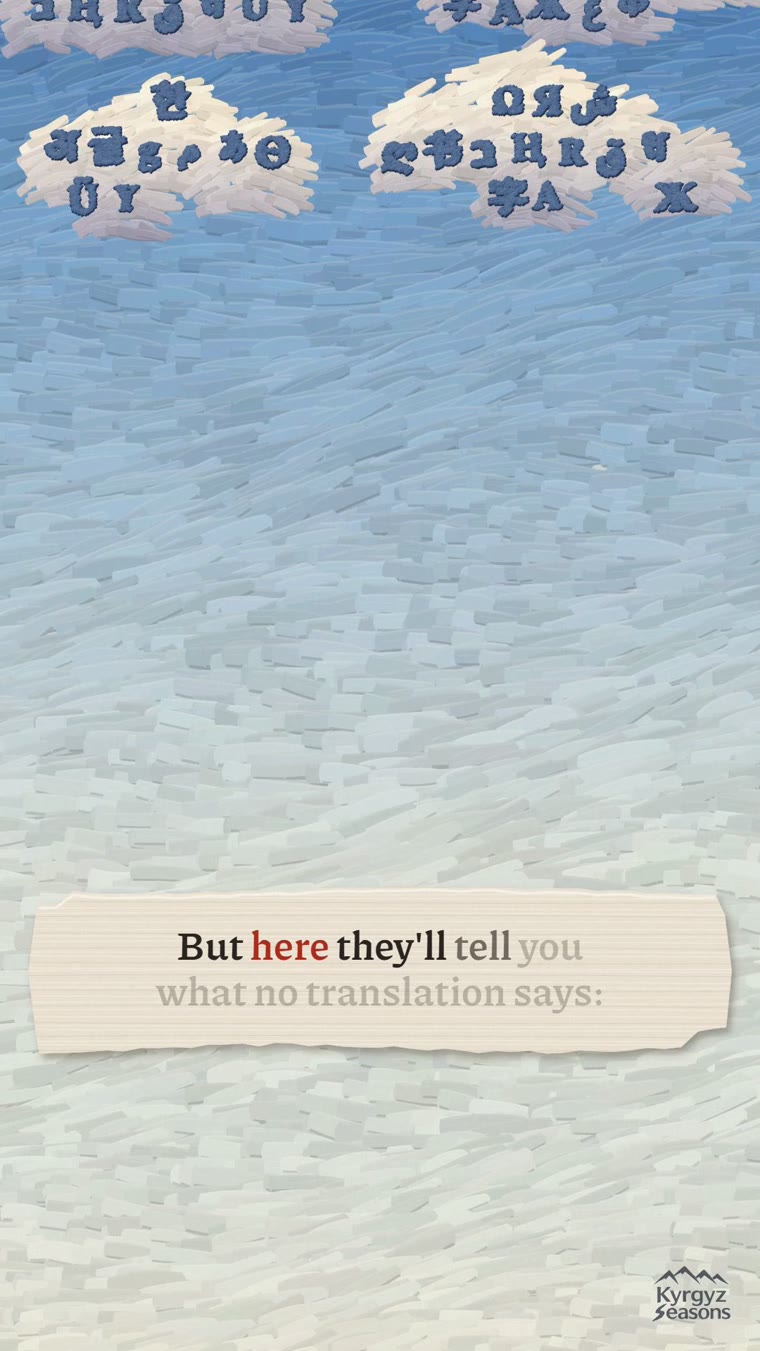
In the film, the pages lift out of the book and turn into clouds, and inside the clouds you can pick out single letters from many alphabets. No word on them is meant to be read. They stand for the 150+ languages.
But here they’ll tell you
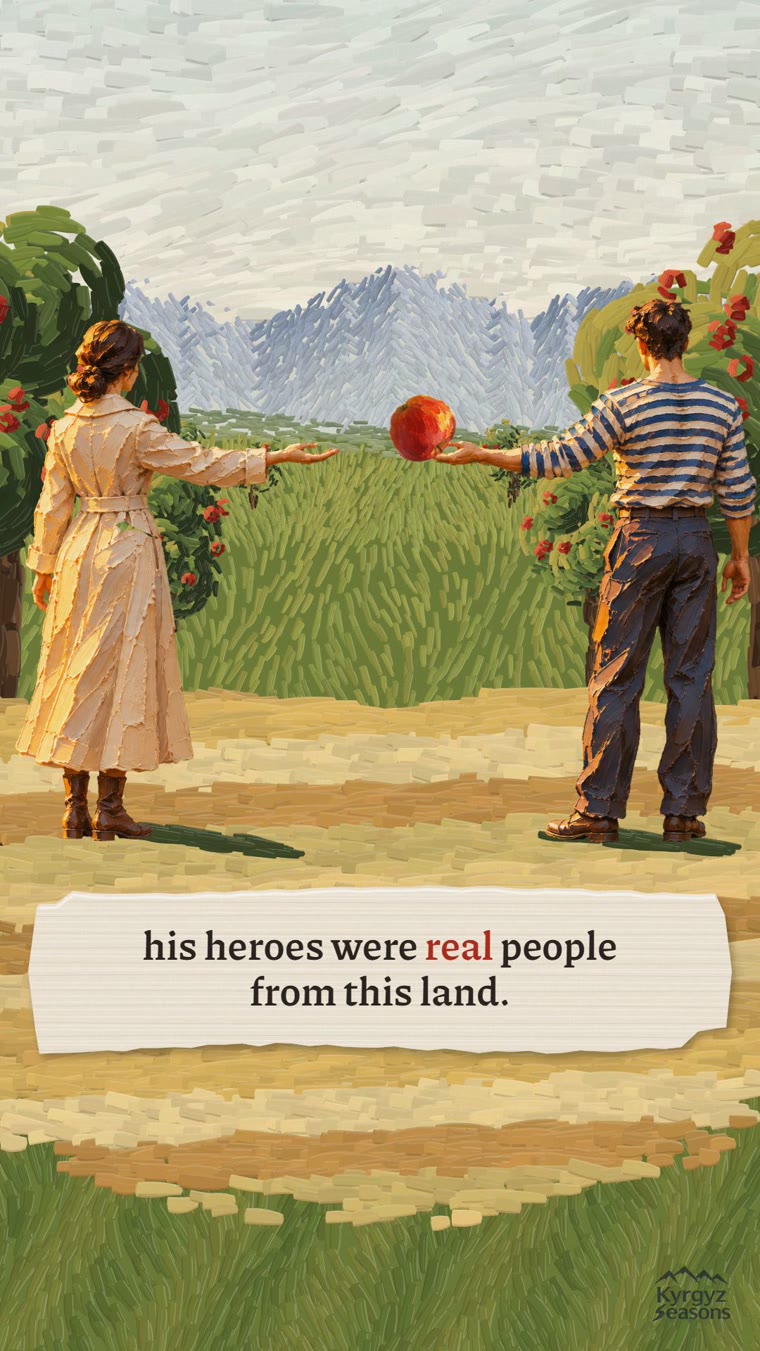
“But here they’ll tell you what no translation says: his heroes were real people from this land.”From the film
Ask in Sheker, and you may hear something no translation can carry: that Aitmatov's heroes were people who really lived here.
At the opening of the new complex in September 2026, speakers said that many of his characters had real prototypes. Tour operators go further. One itinerary promises meetings in Sheker with villagers whose relatives “became the prototypes” of heroes of The First Teacher, and a cart ride along the road where Jamila and Daniyar ran away. A travel guide says the school he attended became the prototype of the school in that story, and that his grandfather's mill once stood on the Kurkureu river.
The two figures in the film are drawn in the spirit of costumed heroes. They have no faces, because they portray no one in particular.
On record, or a story the village tells?
Tap a claim to see how well it is backed.
Go and ask
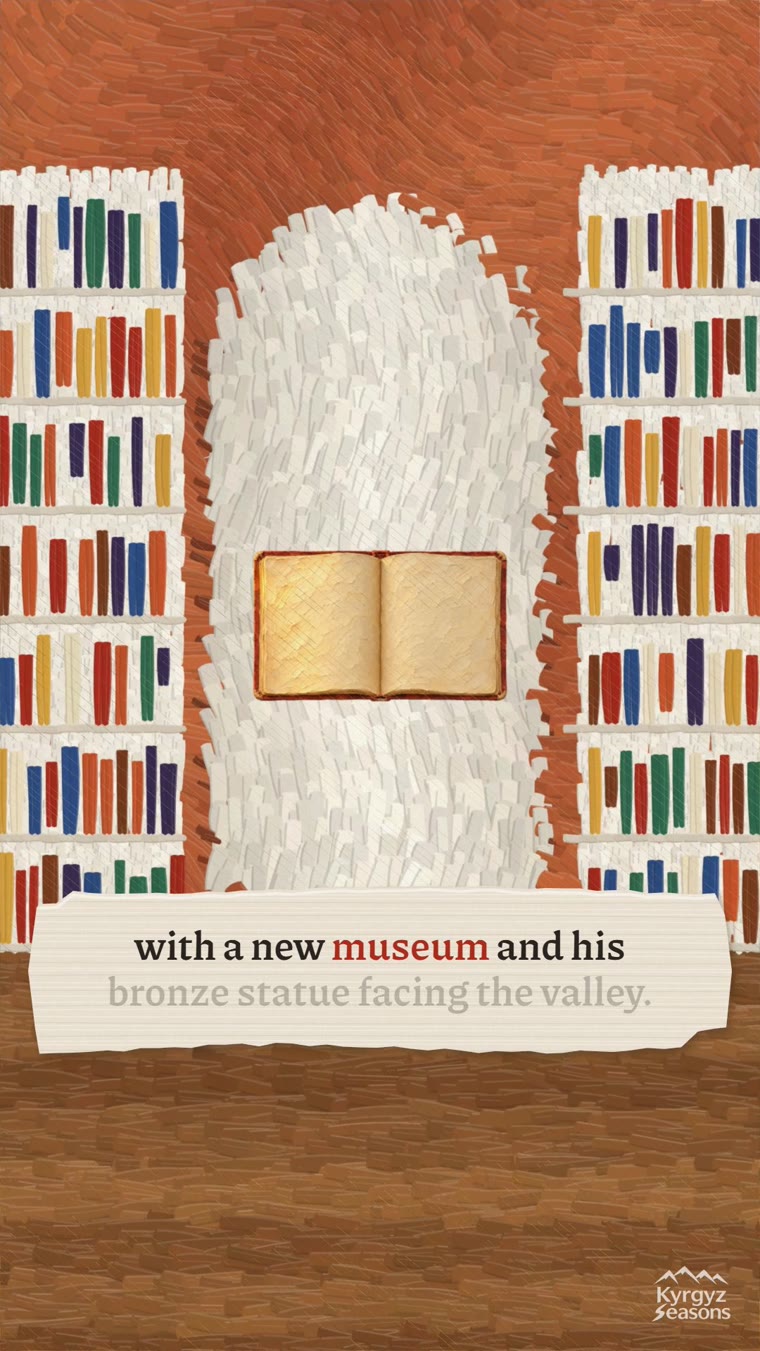
“Go and ask. It’s about six to seven hours from Bishkek, with a new museum and his bronze statue facing the valley.”From the film
On 12 September 2026 a new memorial complex, Aitmatov Aalamy, “Aitmatov's Universe”, opened in Sheker.
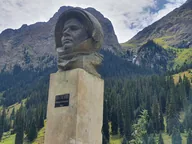
Its centre is a museum about his life and work. The grounds have an amphitheatre and places to put up yurts, and flowers were laid at the writer's monument during the opening. One monument to him was unveiled in Sheker back in January 2018, ahead of his 90th birthday.
An older house-museum, in the house where he spent his childhood and youth, opened in 1978 for his 50th anniversary, according to a travel guide. Whether it belongs to the new complex we could not find out, so we do not call the new museum “his house”: it is a new building.
- 1928ShekerAitmatov is born.
- 1958Moscow and FrunzeJamila appears in Russian and in Kyrgyz.
- 1978ShekerThe house-museum opens, says one travel guide.
- 2008NurembergHe dies at 79.
- 2018ShekerA monument is unveiled before his 90th birthday.
- 12 Sep 2026ShekerThe Aitmatov Aalamy complex opens.
The world met them in books
“The world met his heroes in books. Sheker says it met them first.”From the film
At the entrance to the village, Aramco World reports, a sign carries his own words: “The path to the universe starts from the village.”
The new complex is named after that idea. Aalam means universe or world, and Aitmatov Aalamy is “Aitmatov's Universe”.
Is it true that Sheker met his heroes first? That is a claim of the village, and a nice one. What is on record is simpler: a boy born here in 1928 wrote books that reached more than 150 languages. The world read his heroes in translation. The village says it knew them before any translator did.
Go and ask
“Go and ask. It’s about six to seven hours from Bishkek.”From the film
Sheker is a working village, not a resort. The new Aitmatov Aalamy complex opened here on 12 September 2026 and is reported to be open to visitors. The older house-museum is in the village itself. Come for the writer, the valley and a day on the Talas road.
Sheker says it met them first
The world met his heroes in books. In the village where he was born, they say they knew them first.
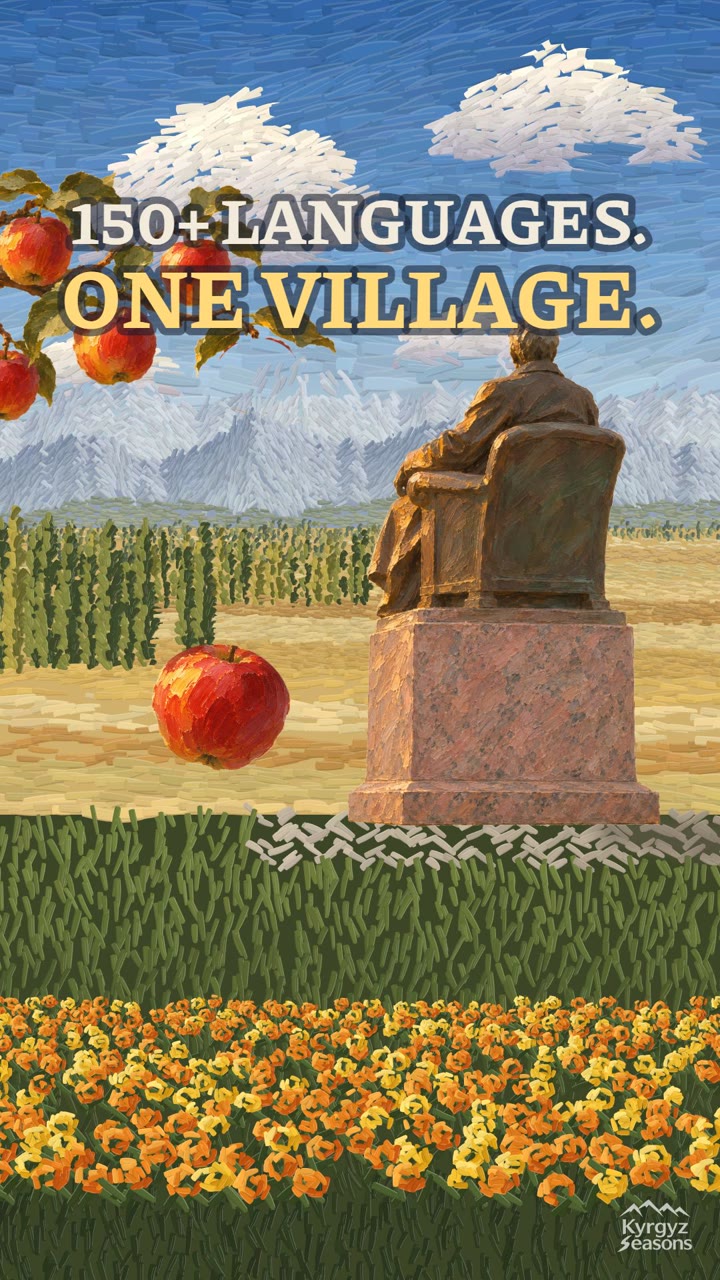 Watch the 45-second filmThe same story, painted in oil right on the screen: brush strokes that build a valley, a monument and one red apple.
Want to see it for yourself?
Routes, places and the best months to go — everything for planning a trip to Kyrgyzstan.
Sources
- Radio Free Europe/Radio Liberty, 2008. rferl.org/a/1117521.html
- T. Tchoroev, B. Pannier, RFE/RL, 11 June 2008. rferl.org/a/1144589.html
- UNESCO statement, 16 June 2008, as reproduced on Scoop. m.scoop.co.nz/stories/WO0806/S00342.htm
- “After Manas, My Kyrgyz, Your Chingiz”, Aramco World, 2019. aramcoworld.com
- Wikipedia: Chinghiz Aitmatov, Sheker, Jamila, The White Ship, The Day Lasts More Than a Hundred Years.
- Fantlab, bibliography of Jamila (Novy Mir 1958, no. 8; Obon 1958). fantlab.ru/work88408
- Economist.kg, 12 September 2026, opening of Aitmatov Aalamy. economist.kg; Bulak.kg, the same day. bulak.kg
- 24.kg, 12 January 2018, monument in Sheker. 24.kg/english/73180
- Central Asia Guide, Sheker. central-asia.guide (a travel guide: used only for local claims, labelled as such).
- IndyGuide, “World of Aytmatov” tour. indyguide.com/tours/world-of-aytmatov (a tour brochure: used only to show what tourism claims).
- OSRM route planner, Bishkek to Sheker, calculated 5 November 2026. Too-Ashuu ban: economist.kg
- Kyrgyz Seasons, Sheker.
Pictures
- Paintings and film frames: from the Kyrgyz Seasons film “The Village That Met Them First”.
- Chingiz Aitmatov, 21 February 2006: Office of the State Counsellor of Tatarstan, CC BY 4.0, via Wikimedia Commons (File:Chinghiz Aitmatov (2006-02-21).jpg).
- Louis Aragon, 9 December 1936: Henri Manuel, public domain, via Wikimedia Commons (File:Louis Aragon 9 décembre 1936 - Henri Manuel.jpg).
- Talas valley from Manas Ordo hill, 11 September 2018: Ceever, CC BY-SA 4.0, via Wikimedia Commons (File:Manas Ordo near Talas.jpg), resized.